

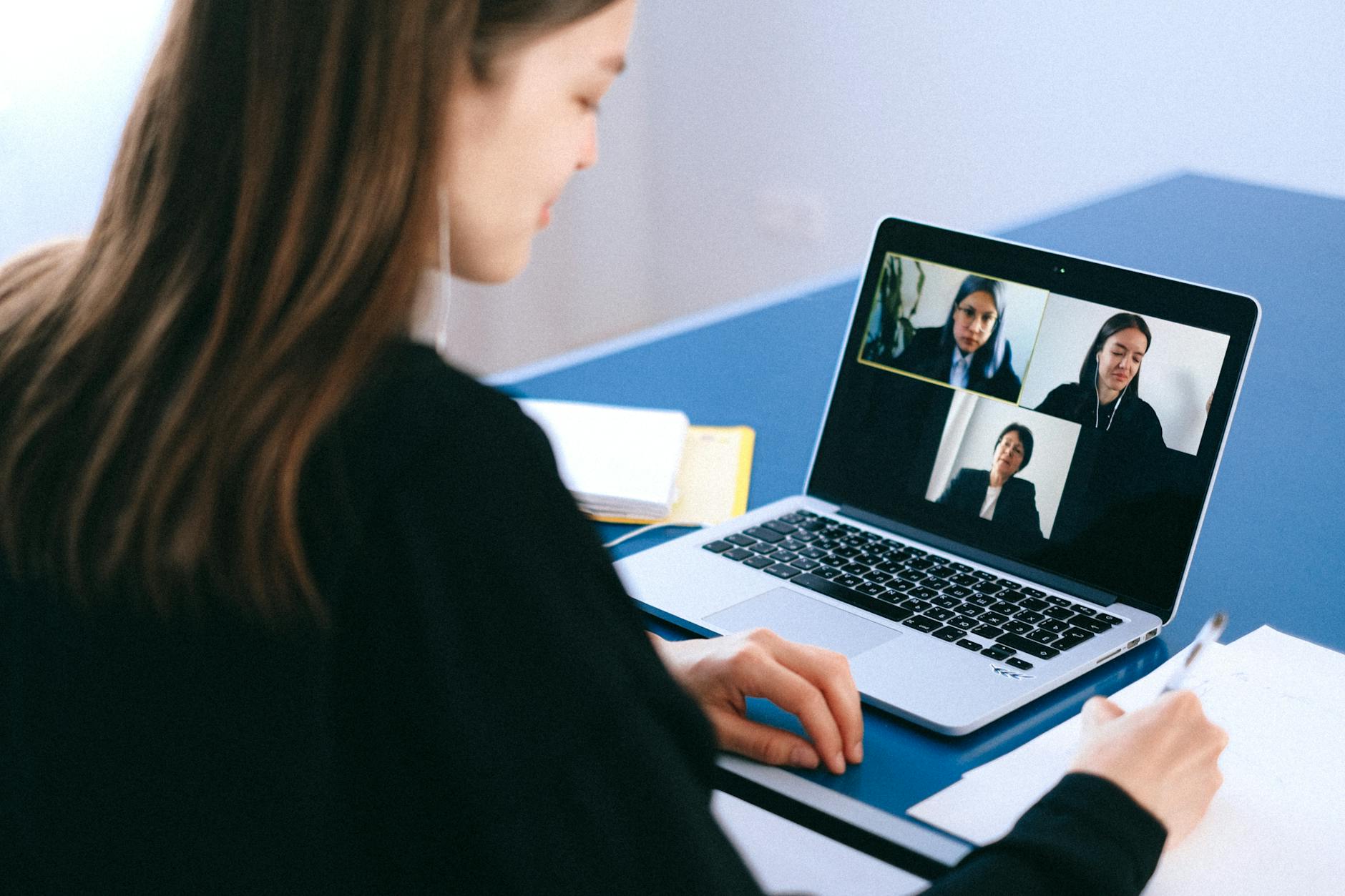
Hybrid work settled into a permanent shape, and with it came a quieter problem that rarely shows up in a dashboard until someone resigns. Proximity bias is the tendency to favour the people you physically see. It is subtle, mostly unconscious, and it lands hardest on your remote and hybrid staff.
For a People leader, this is not an office-politics footnote. It is a retention and fairness risk hiding inside your everyday decisions about who gets the stretch project, the visible praise and the next promotion.
What proximity bias actually is
Proximity bias is a mental shortcut. When a manager sees someone at their desk, in the corridor and in the room during a meeting, that visibility reads as effort, commitment and reliability. The colleague doing identical work from home is simply less present in the manager's mind, so their contribution gets discounted.
Nobody decides to be unfair. That is exactly what makes it dangerous. The bias operates below awareness, so managers who genuinely believe they treat everyone equally still route the good opportunities toward the people they happen to sit near. And because hybrid schedules vary week to week, the same employee can be visible in one review cycle and invisible in the next, which makes the effect hard to spot without deliberate tracking.
The evidence is bigger than most HR teams assume
This is not a soft concern. In a 2024 KPMG survey of global CEOs, 87 percent said they were more likely to reward employees who come into the office with favourable assignments, raises or promotions. That is leadership openly admitting the bias exists at the top of the organisation.
The career impact is measurable. According to Oyster's 2025 review of remote work, an analysis of two million white-collar workers found remote employees were promoted 31 percent less often than their in-office and hybrid peers, and faced a 35 percent higher risk of being laid off, differences the analysis tied to weaker manager relationships rather than weaker output.
It shapes perception too. Owl Labs research reported by SUCCESS found 55 percent of employees believe managers see in-office staff as more hardworking and trustworthy than remote colleagues. Encouragingly, the same coverage points to studies where the gap collapsed once managers were handed objective performance data, which tells you the fix is measurement, not mandate.
The pattern holds in qualitative research as well. Drawing on Eurofound case studies, The Irish Times reported that candidates who work on site tend to gain an edge when competing for senior roles, particularly in private companies.
Why it is an early wellbeing signal
Here is the part that should matter to anyone who owns retention. Proximity bias does not announce itself. Your remote high performers rarely file a complaint. They quietly conclude that the game is rigged, disengage, and start answering recruiter messages.
By the time it surfaces in your turnover numbers, the decision was made months earlier. That gap between the felt experience and the lagging metric is precisely where a People team loses good people without ever seeing why. An annual engagement survey is far too slow to catch it, because the sentiment has usually curdled into a decision long before the next survey window opens.
Continuous wellbeing and sentiment data closes that gap. When you can see engagement and fairness sentiment split by work location, a widening divide between your remote and in-office groups becomes an early warning you can act on, long before it becomes a resignation letter.
How to catch it in your own organisation
You do not need a culture overhaul to start. You need to look at the data you already have, or could gather this quarter, through a location lens.
First, segment everything by work pattern. Break engagement scores, recognition rates, promotion rates and pulse sentiment into remote, hybrid and on-site groups. A healthy organisation shows roughly even lines. A proximity problem shows the remote line drifting down.
Second, audit the flow of opportunity, not just outcomes. Count who received the last ten high-visibility projects and public shout-outs. If office-based names dominate a workforce that is half remote, you have found your bias in action.
Third, ask directly and often. A short recurring pulse question such as "I have the same access to growth opportunities as colleagues in other work locations" surfaces the felt experience while you can still respond to it.
What to do once you see it
Make contribution visible on purpose. Ask managers to evaluate output and outcomes rather than presence, and give them the performance data that lets them do it, since that is what neutralised the bias in the research above.
Redistribute visibility deliberately. Rotate high-profile work, run meetings as remote-first so nobody in the room holds an information advantage, and make recognition a documented habit rather than a hallway reflex.
Then keep watching the split. Proximity bias is not a problem you solve once. It is a drift you monitor, the same way you would monitor burnout risk or absenteeism, and the organisations that catch it early are the ones still holding onto their best remote talent a year from now.

Ready To Listen To Your Team?
Book a 30-minute demo and see how one daily click turns into real wellbeing insights for your organization.
Straight into the calendar, no strings attached.


