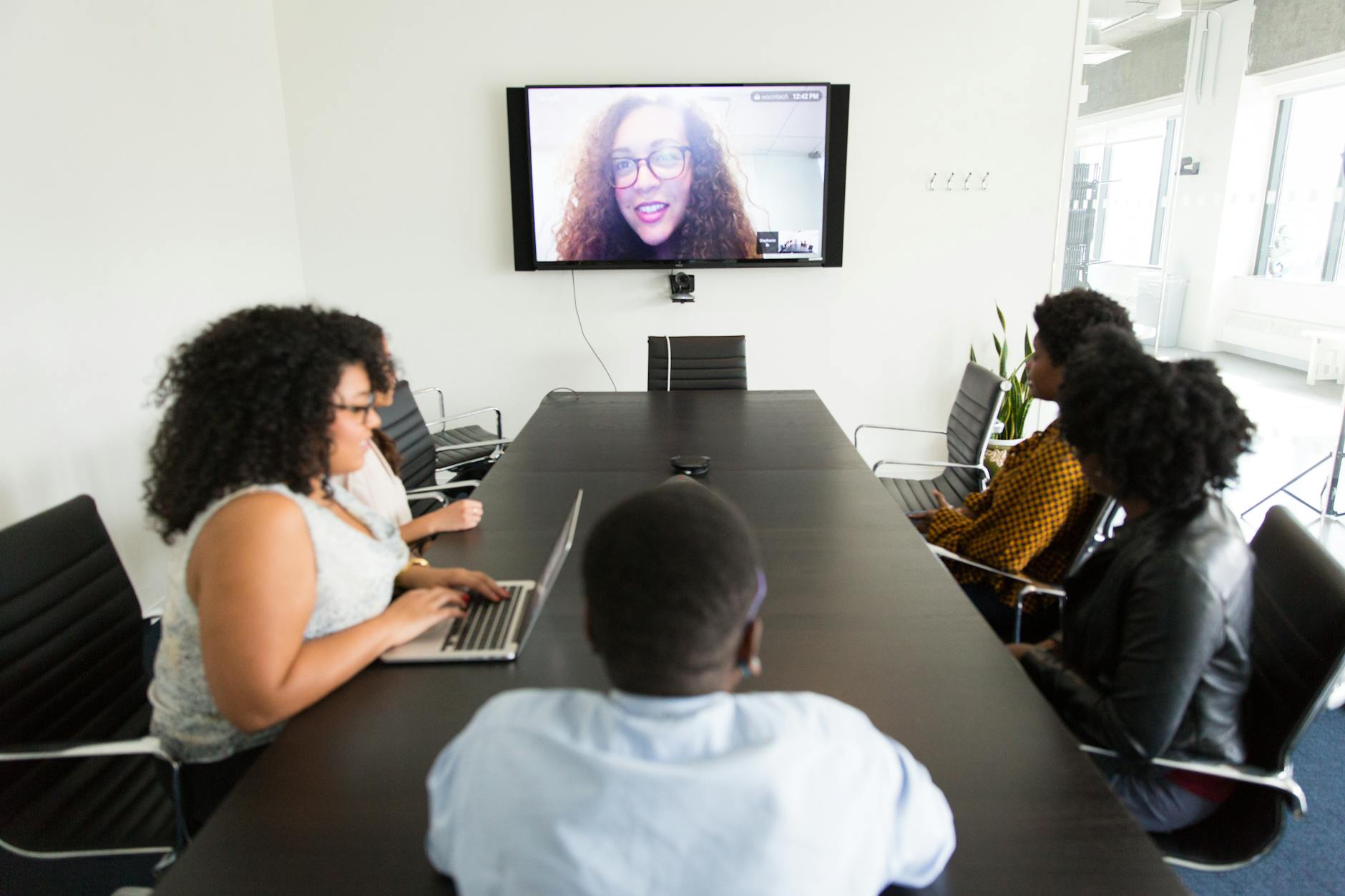


Some of your team drives in, badges through the lobby, pours a coffee, chats for an hour, and drives home again. On the attendance report they count as present. In practice, they came in to be seen, not to work.
This behavior has a name now, and most dashboards quietly file it as a full office day. For an HR leader trying to understand why engagement is slipping while the building looks full, it is one of the clearest signals you are not yet reading.
What coffee badging actually is
Coffee badging is showing up at the office just long enough to register your presence, then leaving. The badge swipe, a coffee, a few visible minutes with colleagues, and out. According to Owl Labs' 2025 State of Hybrid Work report, 43% of hybrid workers admit to going in for a few hours purely to show their faces.
It is not a fringe habit. Tracked over time, Owl Labs found coffee badging ran at 58% in 2023 before settling around 44% in 2024. Whatever the exact figure in a given year, a large share of your hybrid workforce is optimizing for the appearance of attendance rather than the work itself.
Why your best people are doing it
Coffee badging is a response, not a character flaw. It tends to spike where a return-to-office mandate is felt as a rule imposed for its own sake, with no clear link to how the work actually gets done.
When people believe a policy exists to monitor them rather than to help them collaborate, they comply with the letter and skip the spirit. They badge in, satisfy the requirement, and protect the focused hours they know they get at home. Often the people most willing to do this are your most capable and most in demand. They have options, and they use them.
That is what makes the behavior worth watching. Owl Labs reported that if flexibility were removed entirely, 40% of workers would start job hunting and 5% would resign outright. Coffee badging is the milder, earlier version of that same impulse, visible months before anyone hands in their notice.
The signal hidden in your attendance data
Here is the trap. A badge swipe looks like engagement, and your access logs will happily report a full building. But attendance measures compliance, not commitment, and the two have quietly come apart.
If you only track who is in the building, coffee badging is invisible. It shows up as a present employee. The real information sits one layer down: how people feel about being there, whether the office adds anything to their day, and whether the mandate is costing you goodwill that never appears on a turnstile.
This is exactly the gap continuous wellbeing measurement is built to close. A short, regular pulse on how connected, trusted and supported people feel gives you the sentiment your attendance data cannot. When badge-ins stay flat but sentiment about the office drops, you are watching coffee badging happen in real time, and you can act before it hardens into resignations.
What it is telling you about disengagement
Coffee badging rarely travels alone. It usually rides alongside a broader drop in discretionary effort, the willingness to give more than the strict minimum.
Globally, Gallup found employee engagement fell to 20%, a five-year low it estimates costs the world economy around US$438 billion in lost productivity. Owl Labs' data points the same way at the individual level: 39% of employees report higher work-related stress than a year ago. When people are stressed and unconvinced the office earns their commute, minimal viable attendance is the rational move.
Read that way, coffee badging is less a problem to punish and more a symptom to diagnose. Cracking down on it with stricter tracking or longer required hours treats the smoke and ignores the fire.
What to do about it
Start by not policing it. Tighter surveillance confirms the exact suspicion that drives the behavior. Instead, make the office worth the trip: cluster in-office days around real collaboration, protect deep-focus time at home, and be honest about why a policy exists in the first place.
Then measure the thing attendance cannot show you. Ask people, regularly and safely, whether the office helps them do their best work and whether they feel trusted to manage their own time. Watch sentiment and attendance together, because two present employees can feel completely differently about being there, and only one of them is a retention risk.
Coffee badging is not the disease. It is your workforce telling you, in the mildest way it can, that the deal no longer feels fair. The organizations that listen early keep their best people. The ones that count badge swipes and call it engagement find out too late.

Ready To Listen To Your Team?
Book a 30-minute demo and see how one daily click turns into real wellbeing insights for your organization.
Straight into the calendar, no strings attached.