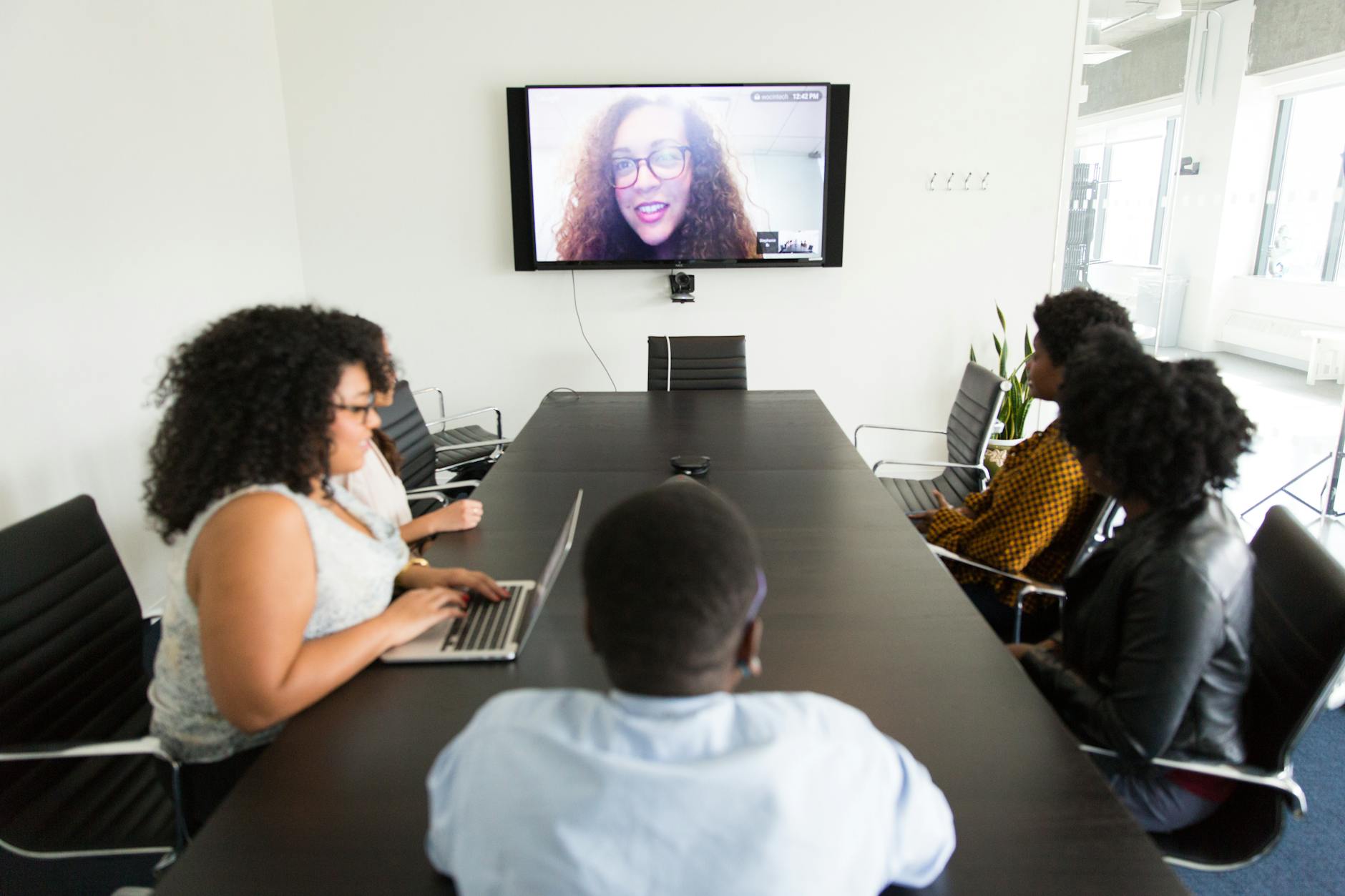


Your hybrid teams are hitting their numbers. You still cannot shake the feeling that someone, somewhere, is slacking off at home. That gap between what your people deliver and what you fear they are doing has a name, and it quietly shapes how you lead.
Productivity paranoia is the leadership instinct to distrust work you cannot see. Left unchecked, it pushes HR and managers toward surveillance, tighter control and more meetings, all of which erode the exact trust that keeps good people engaged. For a People leader watching turnover creep up without an obvious cause, it is worth understanding where this instinct comes from and what to do with it.
What productivity paranoia actually is
The term comes from Microsoft's Work Trend Index, which surveyed 20,000 people across 11 countries. The finding is stark: 85 percent of leaders said the shift to hybrid work made it hard to be confident their employees were being productive. At the same time, 87 percent of employees reported that they were productive at work.
That is the whole problem in two numbers. The work is getting done. The confidence that it is getting done has collapsed. Microsoft also found that managers of hybrid teams were far more likely to struggle to trust their people (49 percent) than managers of onsite teams (36 percent). Distance, not performance, is driving the doubt.
The hidden cost of acting on the fear
When leaders feel they have lost visibility, the reflex is to buy it back. Often that means monitoring. One Citrix study, reported by Allwork.Space, found that 48 percent of business leaders had installed software to track employees' activity, while only 49 percent of employees said they trusted their employer in the first place.
The softer version of the same instinct is micromanagement. In an Envoy survey reported by TechRepublic, 44 percent of workers said micromanaging had increased since they returned to the office. Both responses send the same message to your best people: we assume you are not working unless we can watch you. That message does not lift output. It tells engaged employees they are suspects, and it tells disengaged ones exactly how little is expected of them.
Why measuring harder makes it worse
The trap is that activity tracking measures the wrong thing. Keystrokes, green status dots and badge swipes record presence, not contribution. They are easy to game and easy to resent, so they reward the employee who performs busyness and punish the quiet high performer who finishes early.
Worse, surveillance data tells you nothing about why someone is struggling. A dip in logged hours could mean disengagement, burnout, a caregiving crisis or simply a well-earned lighter week. Treat all of those as a discipline problem and you will lose the people you most wanted to keep, usually before any of it shows up in your annual survey.
Measure the signal, not the surveillance
The way out of productivity paranoia is not less information. It is better information. Instead of asking "are they online," ask "how are they actually doing," and build a steady channel to hear the answer.
That is the shift from monitoring to listening. A short, regular pulse check-in gives you a continuous read on workload, energy, clarity and connection across teams, without watching anyone's screen. It surfaces the early-warning signals that matter: rising workload strain, a team whose sense of psychological safety is slipping, a manager whose people have quietly stopped speaking up. This is the data productivity paranoia was reaching for all along, except it reflects wellbeing and engagement rather than mouse movement.
Continuous measurement also reframes the conversation with leadership. When an executive asks whether the hybrid model is working, you can answer with trend data on engagement and burnout risk by team, not with a hunch or a screenshot. That is a far stronger position than defending attendance figures.
What to do on Monday
Start by naming the instinct in your leadership team. Productivity paranoia feels like diligence, so most managers do not recognise it in themselves. Make it a named, discussable thing rather than a private worry.
Then audit what you currently measure. If most of your visibility comes from activity signals (hours, logins, office days), you are feeding the paranoia, not the understanding. Replace at least one activity metric with an outcome or a wellbeing signal this quarter.
Give managers a lightweight check-in rhythm and, just as importantly, train them to act on what it shows. A pulse signal that no one responds to erodes trust faster than no signal at all. The goal is a short loop: measure, notice, have the conversation, adjust.
Finally, set the expectation out loud that trust is the default and the data exists to support people, not to catch them. Teams can tell the difference between a tool that watches them and one that listens to them, and they engage with the second very differently.
Productivity paranoia is a signal too. It tells you that your current measures stopped giving you a trustworthy read on your workforce. The answer is not to watch harder. It is to listen better, continuously, and to act early on what you hear.

Ready To Listen To Your Team?
Book a 30-minute demo and see how one daily click turns into real wellbeing insights for your organization.
Straight into the calendar, no strings attached.